


Las Vegas Powder Coatings Blog
Powder Coating Gloss Levels Explained: From Flat Matte to High Gloss
Las Vegas, NV · November 11, 2026
When you pick a powder coat, you usually pick a color and a sheen. Words like matte, satin and gloss sound clear, but they don't always mean the same thing to everyone. Here's how gloss is actually measured and how to ask for the look you want.
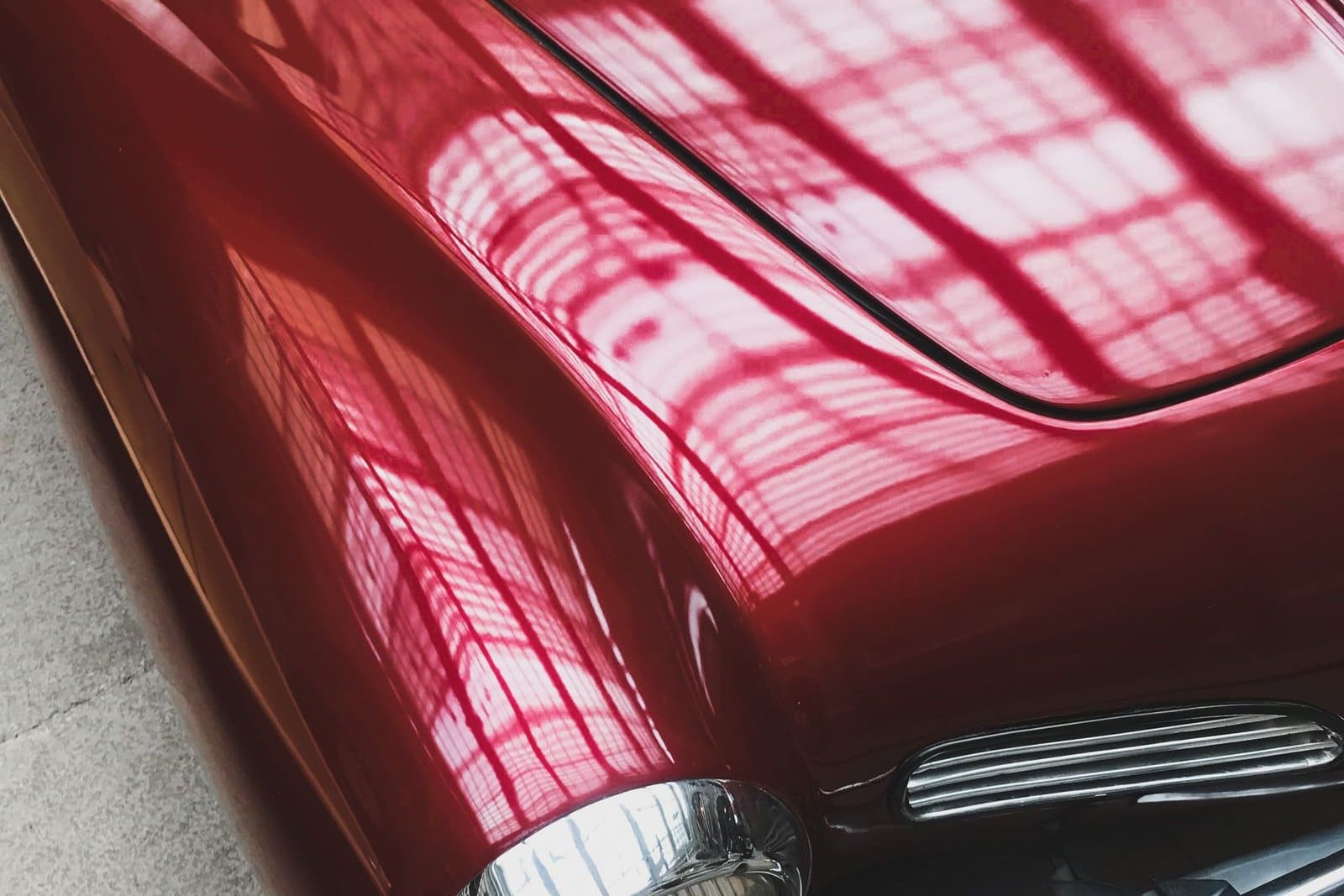
How gloss is measured
Gloss is measured with an instrument called a glossmeter. ASTM D523, the standard test method for specular gloss, covers measurements at 20°, 60° and 85°. ASTM explains that the readings come from comparing how much light a surface reflects with the reflection from a black glass standard.
The Powder Coating Institute's magazine, Powder Coated Tough, notes that results are reported in gloss units, not percent gloss as is often assumed. The gloss range of a surface usually decides which angle is used. Some silver metallics and clear coats over bright metal can even read over 100 gloss units, because they look brighter than the black glass reference.
Three angles, one scale
Powder data sheets often list gloss at 60°, as the Interpon A2201 sheet below does. Powder Coated Tough's chart uses a 20° reading for high gloss and adds an 85° reading for dead matte.
What matte, satin and gloss mean in numbers
There's no single industry-wide naming chart. Two technical sources show how the names can shift:
- Powder Coated Tough describes matte as 1 to 10 gloss units, low gloss as 10 to 30, semi-gloss as 30 to 70 and medium gloss as 70 to 100, all measured at 60°.
- Resin maker allnex uses dead matte under 10, matte 10 to 25, semi-matte 25 to 45, semi-gloss 45 to 70, glossy 70 to 90 and high gloss over 90 in a presentation on controlling gloss.
Real products show the same thing. AkzoNobel's data sheet for Interpon A2201 describes that powder as matte black with a 60° gloss of 25 to 35 gloss units. On another chart, that same number could be called low gloss or semi-matte.
Why gloss affects more than looks
Powder Coated Tough also explains related appearance terms. Orange peel describes a surface that looks like the skin of citrus fruit. Distinctness of image (DOI) describes how crisp a reflection looks, and both orange peel and fine micro-texture lower it.
Gloss also matters over time. Architectural specs such as AAMA 2604 and 2605 set minimum gloss retention after outdoor exposure, which we covered in Powder Coating in the Desert Sun. Gentle cleaning helps too. See our guide to cleaning powder-coated surfaces.
How to ask for the finish you want
Because names vary, the clearest request is a number. If a drawing or spec lists a gloss value, include it with the angle, for example "25 to 35 GU at 60°." If you're matching an existing part, bring it in or send a photo and the color name or code.
Our powder coating page notes that we offer a wide selection of colors, finishes and textures, from gloss to textured coatings. Contact us with your gloss and color requirements and we'll talk through options.
"Matte" means different things to different people. A gloss number and an angle mean the same thing to everyone.
Ask for a number
Specify gloss in gloss units (GU) with the angle, usually 60°.
Check the data sheet
The powder's data sheet lists its gloss range.
Names vary
One maker's "matte" can be another's "low gloss."
Sources
- ASTM D523 — Standard Test Method for Specular Gloss — 20°, 60° and 85° geometries; comparison with a black glass standard
- Powder Coated Tough (Powder Coating Institute) — Appearance Terminology — gloss units, gloss ranges, readings over 100, orange peel, DOI
- allnex — Controlling Gloss Levels in Powder Coatings — gloss descriptions by 60° gloss range
- AkzoNobel — Interpon A2201 Product Data Sheet — matte black, 25–35 GU at 60°
Need a specific sheen?
Tell us your color and gloss target and we'll talk through options.